My friends had a secret name for my worst habit
And I was the last one to find out.
Sometimes the most useful thing a friend can do is make you feel bad.
Years ago, my friends had a name for my bad habit.
Ali Time.
Whatever time I said I'd show up, add 20 to 60 minutes. Insurance against my lateness.
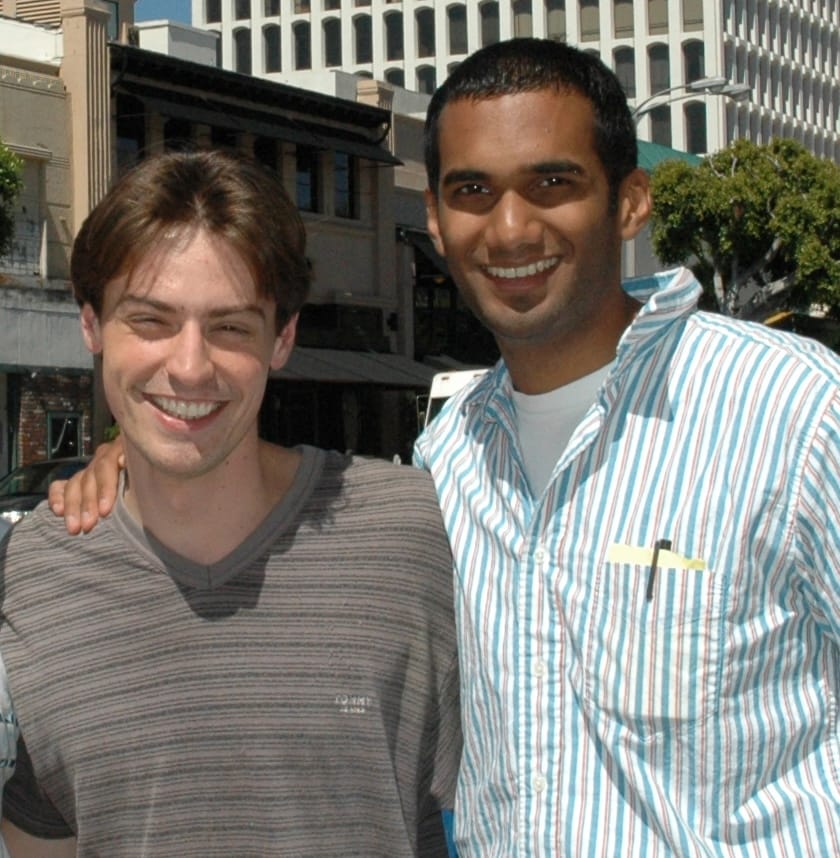
I found out at a dinner with Danny. He'd had a hard day and was counting on me. I showed up 55 minutes late. When I arrived he said:
"You know Ali, I never believe you're actually going to be there until you show up."
I still remember the gut punch that was.
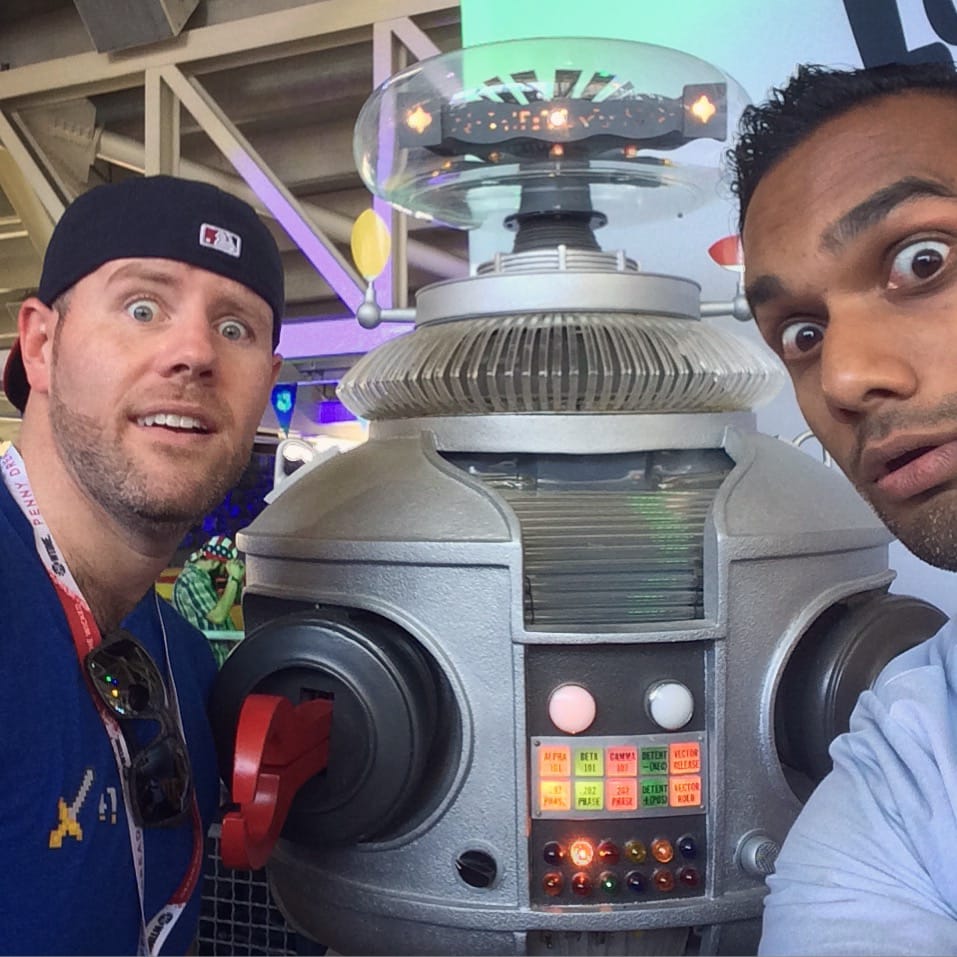
Then there's Matt. I was the best man at his wedding. He's a fellow sci-fi geeky psychologist who just gets me. When I ran for president of the American Psychological Association and lost, he told me:
"There are moments where your ambition blinds you to connection. Everything just feels so empty when you get like that. I hate that side of you."
I had no idea I did that.
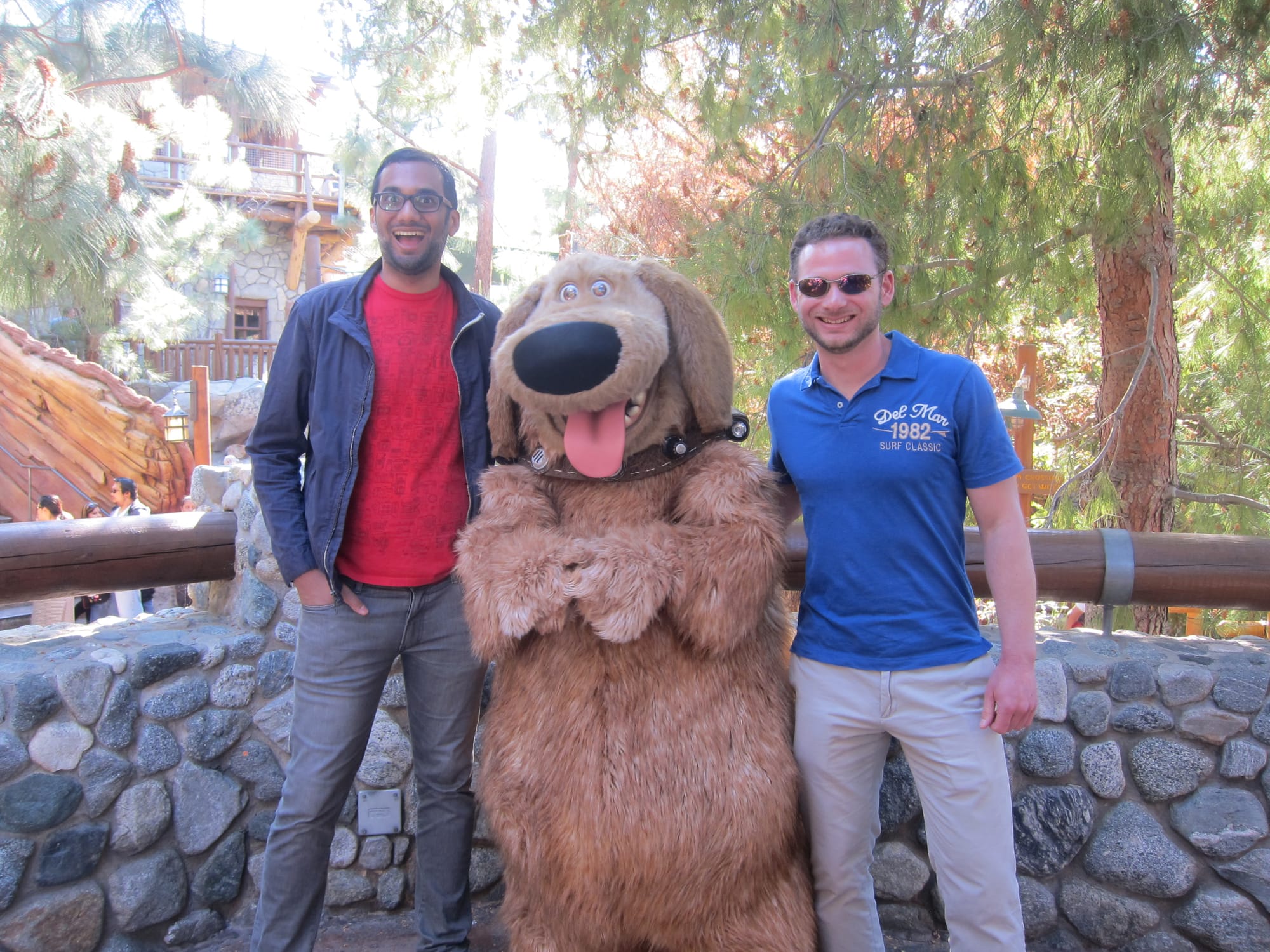
My best friend Lowen has a theory about my most frustrating patterns:
"You come up with some explanation for what's wrong, but then fall in love with the cleverness of the theory, and drift away from the real hard emotional core."
Each of these moments sucked.
Each one is also true.
Psychologists call this blind spot bias: the gap between how we think we show up and how we actually do. Our friends close that gap. If we let them.
Social media says protect your energy. Cut people off. If someone makes you feel bad, that's a red flag.
Sometimes that's true. But mostly it's a way to avoid growing.
The lateness thing Danny called out? I fixed it. Lowen noticed:
"You're rarely late now. I'm very impressed on how steadfastly you worked on that."
That didn't happen because I protected my energy. It happened because someone I loved told me the brutal truth I needed to hear.
Not disappearing on each other when things get weird. Staying in the room. Hearing the hard stuff.
That's the whole thing, really.
We don't just need friends to feel less alone. We need them to help us grow.